


P3-about-1.webp
conexus-photo-about-family-support-1600x1086-1.webp
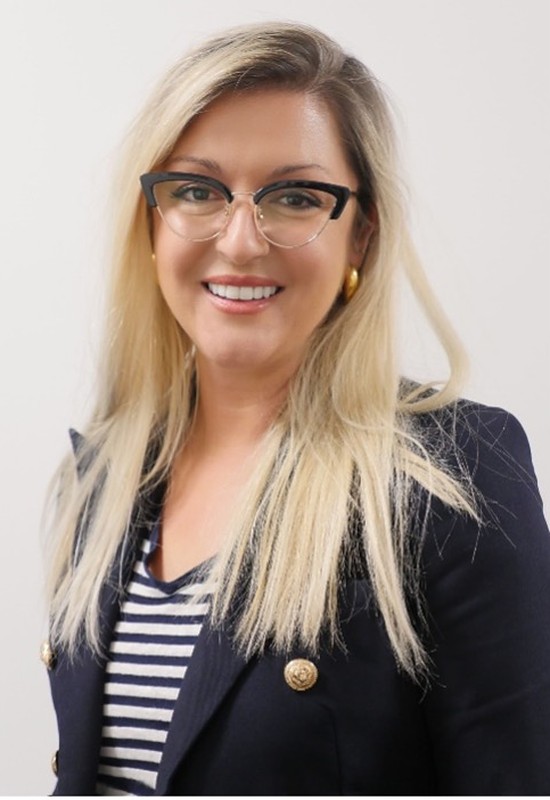
Dr Elissa Pasula, Clinical Neuropsychologist

Dr Elissa Pasula

Clinical Neuropsychologist · BBiomedSc, BSc (Hons), DPsych (ClinNeuro)

Dr Elissa Pasula completed a Doctorate in Clinical Neuropsychology at Monash University in 2018. She is a registered psychologist with the Australian Health Practitioner Regulation Agency (AHPRA) and holds an area of practice endorsement in clinical neuropsychology. Dr Pasula is a Psychology Board of Australia approved supervisor, a Member of the Australian Psychological Society and a Member of the APS College of Clinical Neuropsychologists. She has held senior clinical neuropsychologist positions in the public health system and in private practice.

Dr Pasula has substantial experience conducting neuropsychological assessments within a range of complex clinical populations, with a particular interest in the assessment and diagnosis of rare dementias. She also has substantial experience conducting assessments within medico-legal contexts.

Dr Pasula has facilitated dementia carer support groups over a number of years. She has provided education to medical and allied health professionals in the public health system on the complexities of dementias and the importance of post-diagnostic support.

Qualifications and registration

  • Doctor of Psychology (Clinical Neuropsychology), Monash University, 2018
  • Bachelor of Science (Honours)
  • Bachelor of Biomedical Science
  • Registered psychologist (AHPRA) with an area of practice endorsement in clinical neuropsychology
  • Psychology Board of Australia approved supervisor
  • Member of the Australian Psychological Society (MAPS)
  • Member of the APS College of Clinical Neuropsychologists (MCCN)

Experience and interests

  • Neuropsychological assessment within complex clinical populations
  • Assessment and diagnosis of dementias
  • Medico-legal assessment of decision-making capacity and testamentary capacity
  • Forensic assessment for criminal, civil and family court matters
  • Facilitating carer support groups
  • Education for medical and allied health professionals on dementias and the importance of post-diagnostic support
  • Senior clinical neuropsychologist roles in the public health system and in private practice

Frequently asked questions

What is a clinical neuropsychologist?

A clinical neuropsychologist is a psychologist with advanced training in how the brain relates to thinking, emotions and behaviour. Clinical neuropsychologists assess changes in cognition, such as memory, attention, language and problem-solving, that may be related to neurological, medical, developmental or psychological conditions.

In Australia, psychologists with an area of practice endorsement in clinical neuropsychology have completed an accredited postgraduate qualification and a period of supervised practice in the field.

What is a neuropsychological assessment?

A neuropsychological assessment is a detailed evaluation of how a person thinks, learns and remembers. It can identify cognitive strengths and weaknesses, help clarify a diagnosis, answer specific questions (for example, about decision-making capacity), and guide practical recommendations for treatment, support and planning.

What happens during an assessment?

An assessment usually begins with a clinical interview about your background and concerns. With your consent, we may also speak with a family member or review relevant records. You will then complete a series of standardised tasks that look at different thinking skills.

Assessments can take several hours and may be completed over more than one session. Findings are provided in a written report with recommendations.

What should I bring to an appointment?

Please bring your glasses or hearing aids if you use them, a list of your current medications, and copies of any relevant reports, letters or scan results. You’re welcome to bring a family member or support person.

How do I make an enquiry?

You can call or email us, or send an enquiry through our contact page. We’ll discuss your needs and the most appropriate next steps.